

Christine M. Demain Hammond, Austen, Jane. Sense and Sensibility. London: George Allen, 1899, page 44.
We have MCM’s on Sense and Sensibility‘s men, but wait, we haven’t done the ladies! With the new version having just come out, I thought it was time to compare the various iterations of Marianne Dashwood on screen — in adaptations of Jane Austen’s 1811 novel. (We did Elinor a few weeks ago).
Marianne is the “sensibility” in the title. She’s deeply influenced by the Romantic artists/poets/etc. She wears her heart on her sleeve, loves music and poetry, and is just ready to be swept off her feet — and when she is, by Willoughby, every emotion is in Giant Neon Lights (although she omits sharing some key facts with her family!). By the end of the novel, she has learned from her elder sister about how and why emotional restraint is important, and she ends up with a better guy.
Sense has been adapted six times, including this year’s feature film:
Ciaran Madden in 1971
I haven’t seen this BBC miniseries, but the blog Austenprose writes of their Marianne,
“This Marianne was a frenzied mess, down right selfish and does not care one fig about her family. She whines a lot, throws away anyone else’s opinions like dead flowers and comes off like a spoiled brat. When she finds Willoughby at the Ball in London with a new paramour she is a mad woman, yelling and flailing about. It reminded me of the mad scene in Donizetti’s tragic opera Lucia di Lammermoor. Hard to know if this was the director’s choice of character interpretation or the actress’. Either way they missed the point and she out weighed the balance of the sense vs. sensibility dichotomy of the two sisters. Marianne’s descent into despair is engaging, in a ‘sick and wicked’ sort of way, and is hard to not watch with some amazement, but you are duly forewarned.”


Tracey Childs in 1981
I did actually watch this, but like 20 years ago, so all I can do is quote the short review I wrote then: “I found Marianne to read as terribly young (more true to the age of her character in the book), but as such pretty darn irritating and unsympathetic — the heartbreak I felt in Kate Winslet’s portrayal just seemed like youthful melodramatics here.


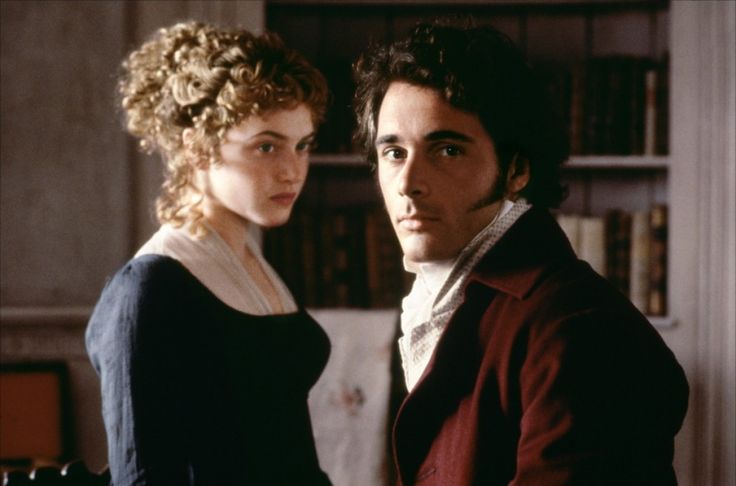
Kate Winslet in 1995
Okay, so once again, I saw this feature film long before I read the original novel, so I imprinted on Winslet’s Marianne. I like that she’s smart and emotional, and I really bought that she was indeed swept away by Willoughby and DEEPLY hurt by his betrayal. Winslet is SO talented, of course, so she brings subtlety to Marianne’s passion.


Charity Wakefield in 2008
I didn’t DISLIKE Wakefield’s Marianne, but I didn’t buy that she truly was in love with Willoughby in this version — she seemed young and petulant?


Bethany Antonia in 2024
I can’t with these clunky, garish costumes, so I thank Trystan for taking one for the team and watching this Hallmark Channel adaptation. Trystan caled Antonia’s performance “decent,” and that’s all we’re getting here.


Esmé Creed-Miles in 2026
I saw someone online refer to this Marianne as “feral,” and I think that was a great description! Creed-Miles’s Marianne has never seen a comb and comes off as a whiny kid. Which, again, she’s supposed to be 16, and 16yo’s can be insufferable! But it made it hard to care as deeply about her heartbreak, especially when her Willoughby was the dweebiest dweeb ever.


Who’s YOUR favorite Marianne Dashwood on screen?


Once again, I have to give it to the 1995 version – Kate Winslet is the perfect Marianne to me. :)